




The town at the edge of the sea
St Andrews sits on a headland where Scotland runs out into the North Sea. It is a place of grey stone that turns silver in the rain, of three old streets laid out over eight centuries, of cobbles and spires and a sea-mist — the haar — that rolls in off the water and softens the whole town to a watercolour. Nothing here is loud. Everything here lasts.
Six hundred years in the making
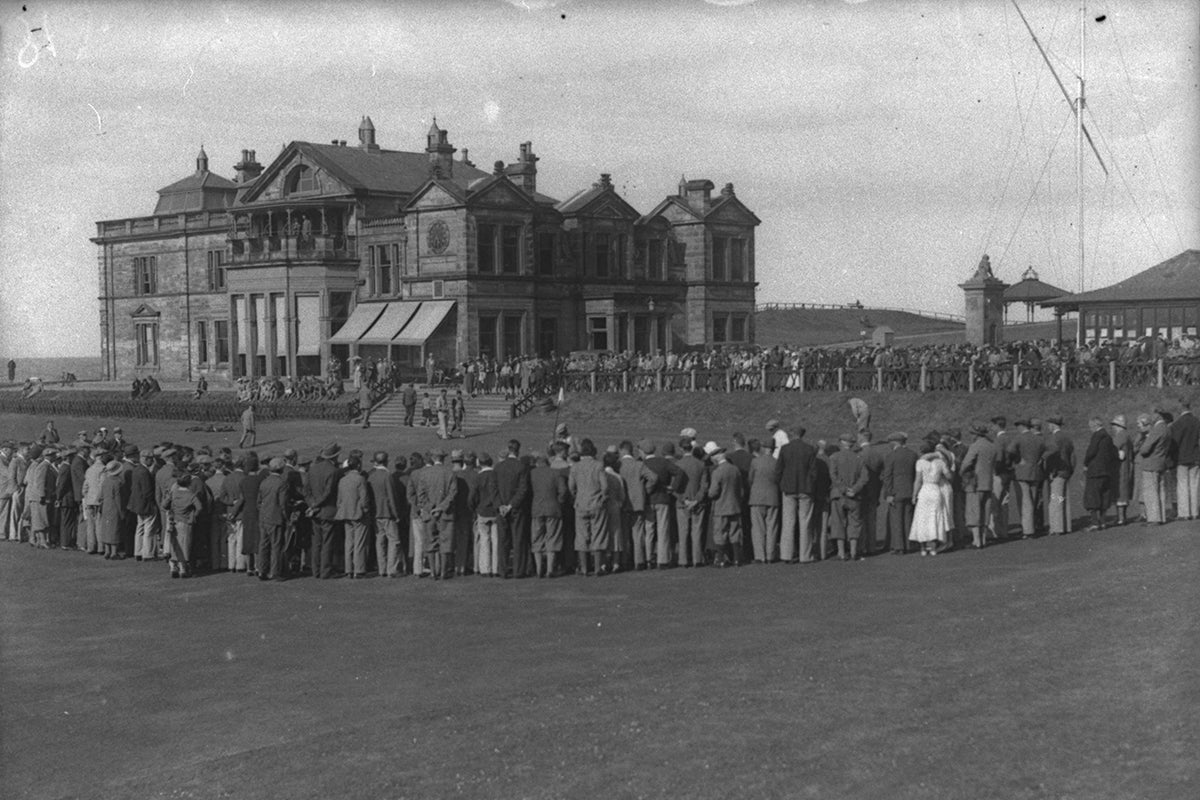
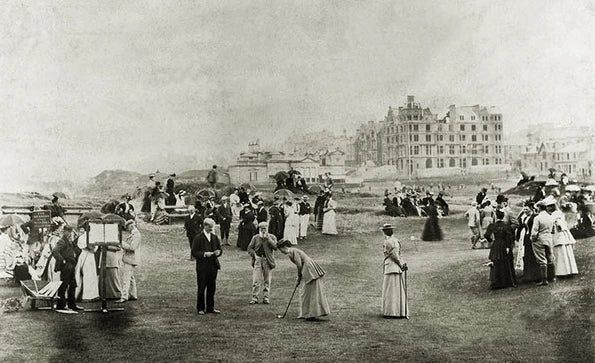
Golf has been played on this ground for more than six hundred years — so beloved that in 1457 the Scottish parliament tried to ban it for distracting men from their archery. It failed. Today the Old Course runs right into the heart of the town, the Swilcan Bridge has been crossed by every great who ever played the game, and the Royal & Ancient, founded in 1754, still keeps watch over golf from its clubhouse above the first tee.
The Auld Grey Toun
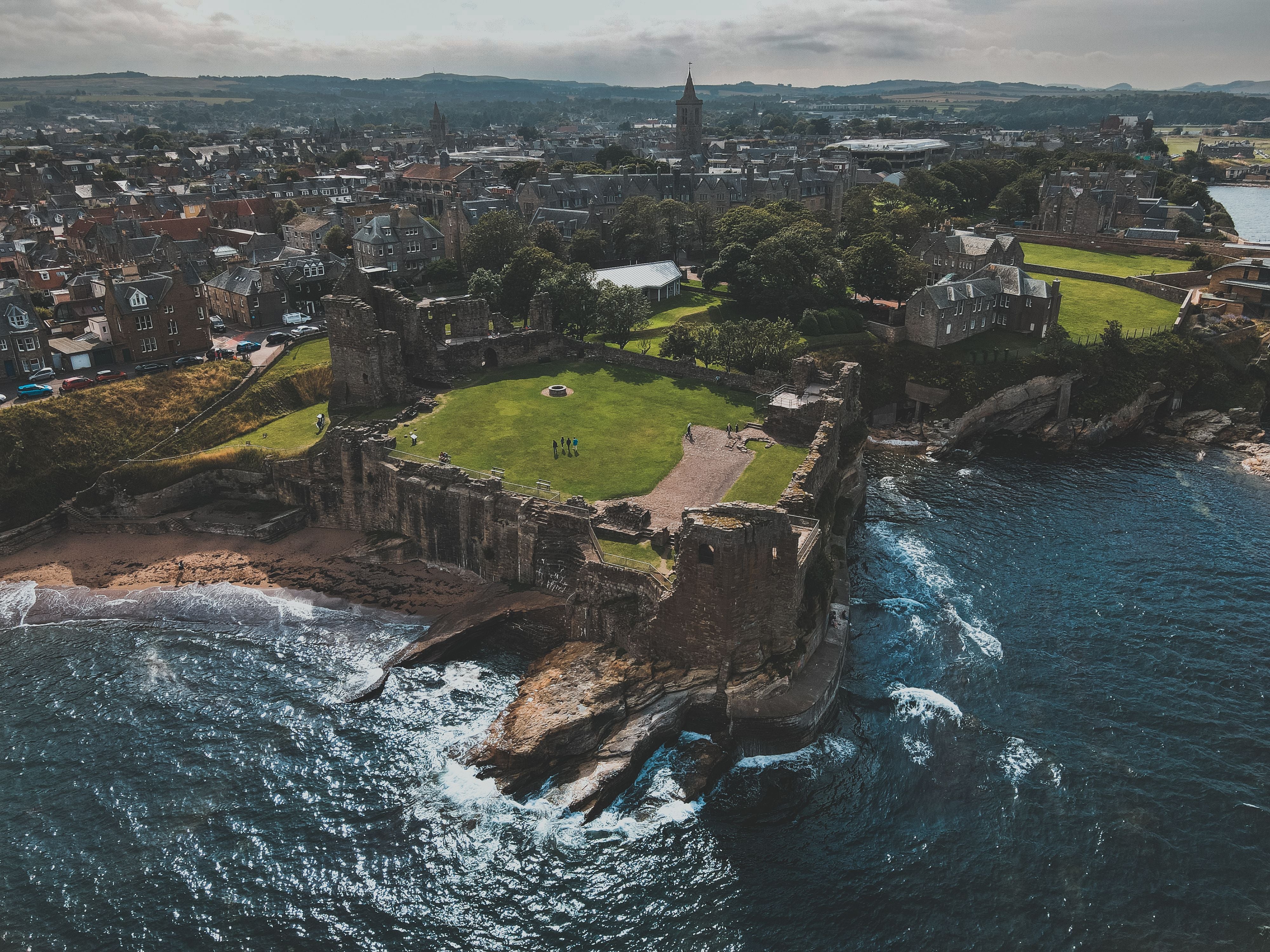
They call it the Auld Grey Toun, and it wears the name well. Its university — founded in 1413, the oldest in Scotland and among the oldest in the world — still fills the lanes each morning, its students crossing the pier on a Sunday in scarlet gowns, a tradition older than most nations. Its cathedral, once the largest in Scotland, stands in noble ruin above the harbour, with St Rule's Tower keeping its thousand-year vigil over the rooftops.
The light on the West Sands
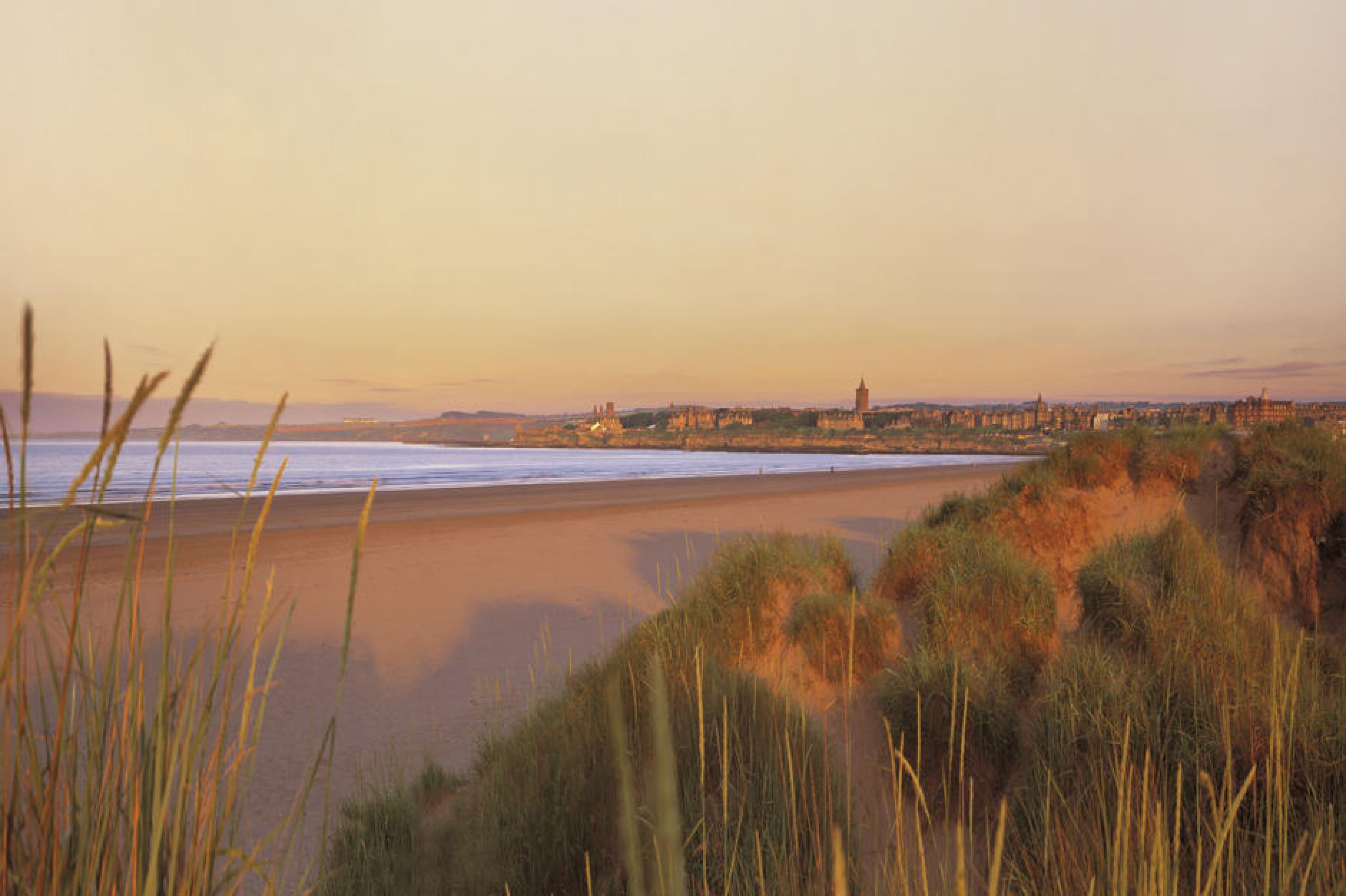
Beyond the first tee stretches the West Sands — two miles of pale beach and open sky, where Chariots of Fire found its runners and where the townspeople still walk at dawn. It is the light here that people remember: low, silver, forever changing over the water. It gets into everything made in St Andrews. It gets into our dials.
Come and stand where it all began
Walk the Old Course. Cross the Swilcan. Feel the light on the West Sands. Then come into our store, sit at the bench, and build a watch of your own — a piece of St Andrews to carry wherever life takes you.